Tokyo Scramble’s Switch 2 Nintendo Direct Debut Sets Off 2026’s First Big Red Flag
Tokyo Scramble’s Switch 2 Direct reveal set off alarms. Here’s why the debut feels shaky, what to watch next, and how players can buy smarter in 2026.
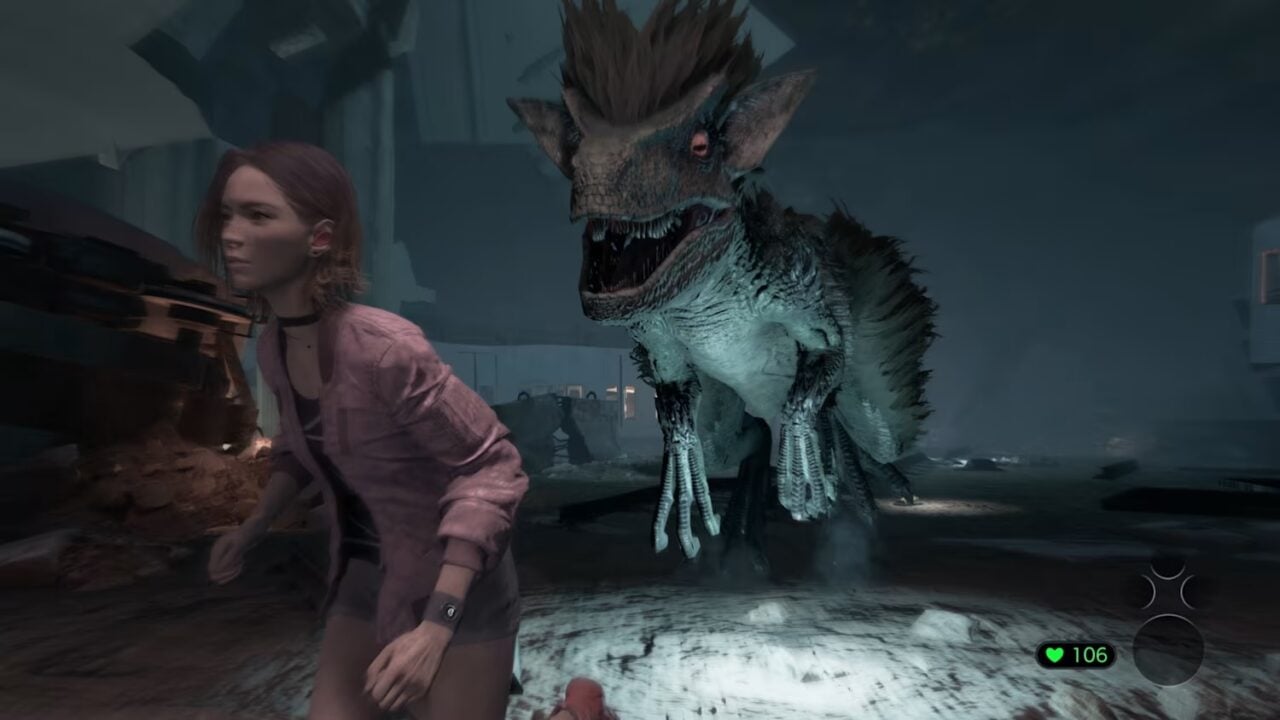
Tokyo Scramble didn’t just stumble onto the Switch 2 stage—it tripped over the spotlight. Within minutes of its Nintendo Direct reveal, the game floated from curiosity to cautionary tale, with early reactions branding it a frontrunner for 2026’s worst release. That’s a heavy label to earn from a trailer alone, but the concern isn’t baseless. If you care about Nintendo’s next-gen launch window, Tokyo Scramble is the warning siren you can’t ignore.
What did Nintendo actually show in that Direct?
A sizzle that should’ve sold a vision. Tokyo Scramble’s reveal arrived with the usual Nintendo Direct pomp: punchy cuts, crowd-pleasing text cards, and a promise of a sprawling urban playground. But instead of confidence, the clip stoked skepticism. Coverage of the debut called out awkward visuals and a flat first impression—enough for some to slot it into the early running for 2026’s worst game based on reveal alone [1].
For a showcase that’s supposed to define the Switch 2’s coming-out party, that matters. New hardware reveals don’t just sell tech; they sell trust. And when one of the spotlight titles looks half-baked, players start wondering what made the cut—and what didn’t.
Why Switch 2 hype makes Tokyo Scramble look worse
New consoles magnify everything. Expectations spike, standards harden, and every frame gets scrutinized like a still life. The Switch 2 (whatever final branding Nintendo lands on) isn’t just a sequel box—it’s the system entrusted to fix the aging Switch’s compromises and carry Nintendo’s next wave of software. That’s the context Tokyo Scramble walked into, and it’s why a merely average trailer can read as a red flag.
There’s also muscle memory at work. Nintendo fans have lived through rocky technical moments before—rough edges that were later patched or smoothed over. Pokémon Scarlet and Violet launched with performance problems so visible that Nintendo publicly acknowledged the issues and pushed updates to address them, a rare mea culpa for the company [2]. That history cuts both ways: it softens panic and sharpens skepticism. Players will forgive, but they’re quicker to spot the tells.
The on-screen red flags you shouldn’t ignore
Let’s separate vibes from signals. You can dislike a trailer’s tone and be wrong about the game—but there are craft markers that reliably forecast trouble. Early coverage flagged Tokyo Scramble’s debut for the kind of presentation hiccups that should make any launch-window buyer pump the brakes: flat staging, unconvincing animation, and footage that lacks tactile punch—all of which undercut the fantasy the game is trying to sell [1].
Why those details matter on Switch 2:
- Responsiveness sells new hardware. If combat and traversal don’t look snappy in a curated trailer, players worry about input feel.
- Scale without density is a trap. Big city, empty streets? That’s production debt peeking through.
- FX and animation are trust tells. When particles and hit reactions don’t read, the gameplay loop rarely lands.
We’ve seen the opposite pitfall, too: glossy reveals masking shaky fundamentals. Balan Wonderworld put on a vibrant show pre-launch, only for critics to pan the final game for sloppy design and feel [3]. Slick trailers don’t guarantee quality—so when a reveal looks rough, it’s fair to treat it as a canary.
Smart player moves before 2026 arrives
You don’t need to doomscroll for two years. Here’s how to make clear-eyed decisions while the Tokyo Scramble discourse simmers:
- Don’t preorder—set alerts. Until hands-on previews and performance targets are public, keep your money off the table. Preorder incentives aren’t worth blind risk.
- Hunt for raw gameplay. Trailers cut around hitches; unedited segments reveal pacing, camera work, and encounter flow.
- Watch for performance language. “Targeting 60 fps,” “dynamic resolution,” or “performance mode” are meaningful tells of technical ambition.
- Track developer transparency. Roadmaps, dev diaries, and post-reveal updates signal whether the team is iterating based on feedback—or hiding.
- Compare platform parity. If Tokyo Scramble appears on multiple systems, look for Switch 2-specific footage. Cross-platform cuts can obscure bottlenecks.
- Bookmark reliable analysts. Technical breakdowns from trusted outlets and creators can contextualize what your eyes suspect.
If you’re optimistic, great—just build a checklist and let the game clear it.
Could Tokyo Scramble still turn it around?
Absolutely. Early marketing is not destiny. We’ve watched games course-correct through public betas, design overhauls, and frank patch notes. And Nintendo’s recent history suggests a willingness—however reluctant—to address issues when they spill into the mainstream, as with Pokémon Scarlet and Violet’s updates and acknowledgments [2].
What a turnaround would look like:
- A second, slower trailer that focuses on contiguous gameplay—movement, combat rhythms, UI clarity.
- A performance pledge (alongside an honest caveat) and a technical mode that prioritizes frame rate.
- Signals of systemic depth: enemy variety, mission structure beyond fetch loops, emergent tools that change how you approach the city.
- A playable demo or media hands-on that lets the feel speak louder than B-roll.
This is the launch runway for a new console cycle. Plenty of time remains to reframe perception—if the fundamentals are there.
Your questions about Tokyo Scramble and Switch 2, answered
-
Is Tokyo Scramble exclusive to Switch 2? The reveal positioned it as part of the Switch 2 slate, but exclusivity and platform specifics weren’t firmly established in early coverage. Wait for official platform listings before assuming it’s locked to one box [1].
-
When is it coming out? Tokyo Scramble is being talked about in a 2026 window based on its reveal context, which is why it’s already drawing “worst of 2026?” chatter despite being far out [1].
-
Should I be worried about performance on Switch 2? Worry is premature; vigilance isn’t. Nintendo’s recent track record includes high-polish first-party releases and some technical stumbles on demanding projects. Look for performance targets and hands-on impressions before committing [2].
-
What’s the single biggest green flag to watch for next? A clear, uninterrupted gameplay slice that shows traversal, a full combat encounter, and UI responsiveness—plus a stated frame-rate goal.
-
What’s the smartest buying strategy? Delay your purchase decision until after early reviews and technical analyses land. If you’re excited, set aside a budget, follow reputable preview coverage, and let the game earn the sale.
Bottom line:
- The reveal didn’t sell the fantasy—and that’s a problem for a launch-window showcase [1].
- History says rough debuts can recover, but also that flashy marketing can hide weak design [2][3].
- Players have agency: skip preorders, demand clarity, and follow evidence, not hype.
Sources & further reading
Primary source: kotaku.com/tokyo-scramble-switch-2-worst-game-2026-2000673341
Written by
Leo Chang
Lifelong gamer covering the latest releases, esports, and gaming industry news.